
Build a Mecklenburg County Ownership Timeline
Mecklenburg County's Circuit Court Clerk serves as the historic custodian of its land records. The Clerk describes holdings reaching back to the county's founding. The online index start year and exact deed-book coverage stay unstated. Build your source plan accordingly. Use the table to record dates and names copied straight from the instruments. Resist the urge to plug an estimated year into a gap.
| Source | Years It Covers | Where Held | What It Shows |
|---|---|---|---|
| Virginia SRA index | Online starting year not verified | Remote portal and local Clerk | Grantor, grantee, instrument reference |
| Clerk deed books | Clerk describes records dating to county founding | Circuit Court Clerk, Boydton | Recorded conveyances and legal descriptions |
| Recorded plats | Dates depend on the individual plat | Circuit Clerk and archive catalog | Lot, block, subdivision, parent tract |
| Land books | County archive lists FY2020–2026 material | Commissioner and county archive | Dated assessment ownership and value context |
Begin with the deed recorded to the current grantee. When the online index runs out, carry the reference to the Clerk. Request the next older book or index volume. The Library of Virginia offers another route through archival catalogs and microfilm. Mecklenburg reel numbers are not listed here. Land books supply dated owner context, though remember they are assessment records, not title instruments.
What the Mecklenburg SRA Index Can Reach
Virginia SRA/COVERS collects land records from Circuit Court Clerk offices across the state. Mecklenburg County is among them. Its rules draw a line between index entries and images. A free index exists only where the local Clerk enables it. Document images can require an authorized subscription, a signed agreement, and payment. How far back Mecklenburg's online index reaches remains an open question. The number of results a search returns is also unclear. The Virginia SRA land-record search is the remote entry point. Its statewide rules explain why a party-name hit appears even when the image stays locked.
Save the index reference you find, then ask the Clerk about the image route before concluding the instrument is out of reach.
Index Access and Image Access Differ
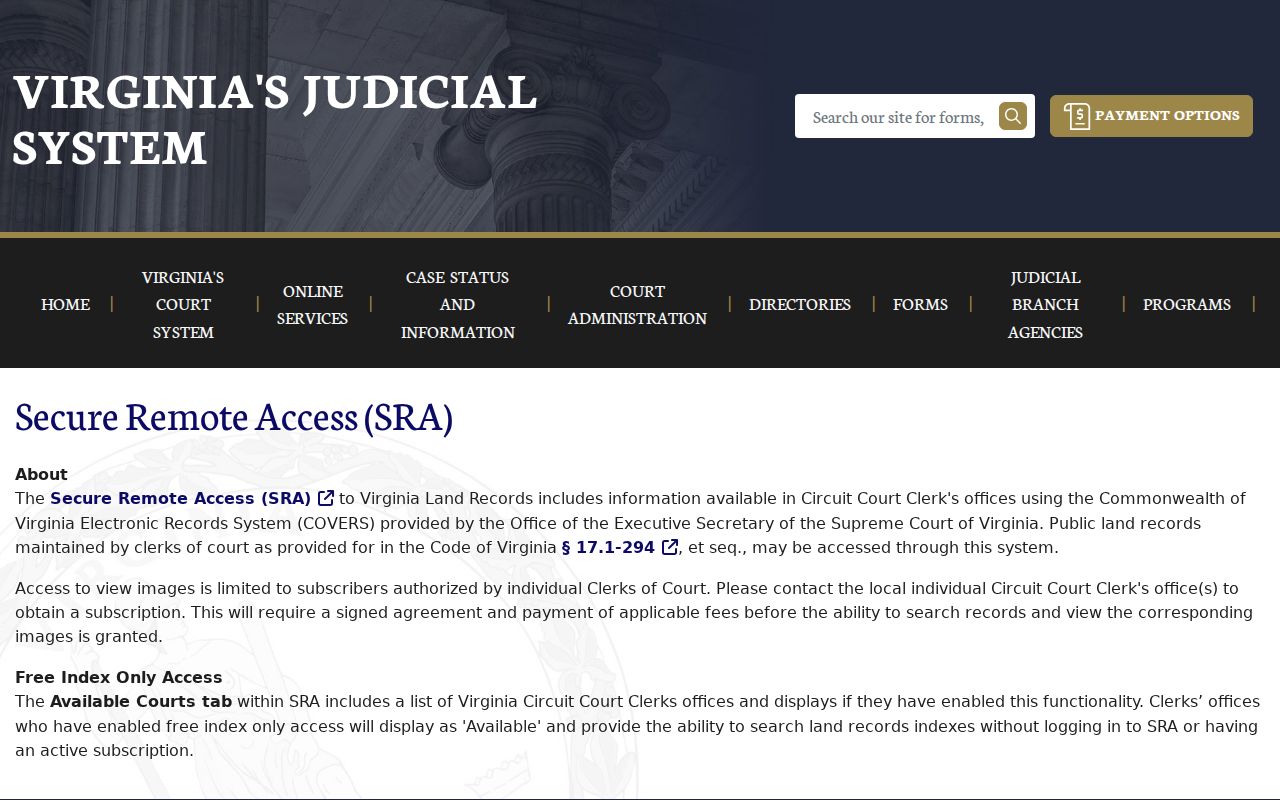
A deed index names recorded parties and their references. The image holds the instrument text and legal description. SRA promises no free image access everywhere. Even where Mecklenburg enables free index-only service, opening an image may still require a Clerk-approved method. Certified copy and counter-copy prices do not appear on the county's online pages, so expect to confirm those at the counter. The statewide SRA access rules spell out this distinction.
Call the Mecklenburg Clerk to ask about local authorization, fees, and older book access.
Read the Mecklenburg Deed Chain in Reverse
Every deed ties a grantee to an earlier grantor. Confirm first that the current deed describes the same land. Then search that grantor's name as a grantee in the prior conveyance. Work one instrument at a time, all the way back. A name match alone never proves the link. So compare tract names, lot and block references, adjoining owners, and the full legal description before accepting a match.
- Find the current deed and record its grantee, grantor, date, and book/page or document number.
- Check that deed’s legal description against the parcel or recorded plat.
- Search the grantor as a prior grantee, including initials and spelling variants.
- Repeat backward, then move to older books or archives when the online index ends.
- Grantor
- The party who transferred an interest in the deed.
- Grantee
- The party who received the interest.
- Chain of title
- The sequence of recorded conveyances for the parcel.
- Legal description
- The written parcel identity that can persist when street addresses change.
Probate Can Change the Party Names
Not every transfer runs through a simple buyer and seller. A Mecklenburg County chain can pass through an executor, administrator, heir, trust, or court order. The Circuit Court Clerk keeps wills and probate records alongside the land instruments. Search the estate file under the decedent's name. Then hunt for a recorded fiduciary deed or court order tied to the land. A will by itself may not be the final recorded conveyance.
Death records help confirm dates. Virginia restricts certified copies by eligibility, though. A death certificate proves a death, not title. The Library of Virginia's genealogy resources cover older record access, while the Clerk remains the route for the county's land record.
Plats Explain Parent Tract Splits
Divide a large parcel and the records shift shape. Later deeds cite lot numbers from a recorded plat. Earlier instruments describe one parent tract instead. Locate the plat by subdivision name, lot and block, recording reference, or party names. A plat links a modern lot to its larger tract. But it cannot replace each conveyance in the title sequence.
Two other instruments deserve care. A correction deed repeats the same grantor and grantee while repairing a description. A release or certificate of satisfaction clears a debt without changing the owner. Log both in a separate column. That way your former-owner timeline never mistakes an encumbrance for a transfer.
Historic Records Are Under Repair
Mecklenburg's Clerk reports a long-term repair and digitization effort covering the historical collection. No courthouse fire or specific record-loss event appears in the county's notes. The real obstacle is structural: historic books sit apart from a partially described online index, and images may sit behind a subscription. Plan around that split.
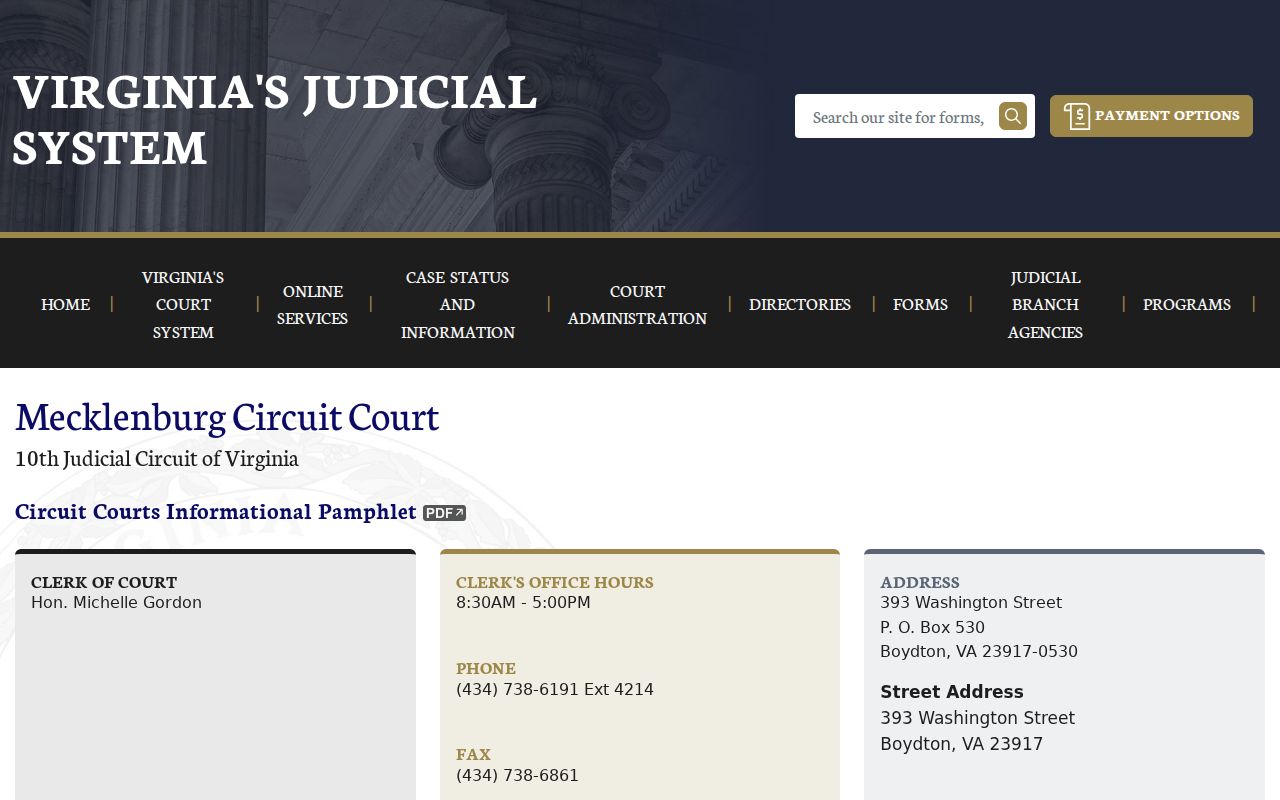
The Mecklenburg Circuit Court Clerk's official page lists the local deed office at 393 Washington Street, P.O. Box 530, Boydton, VA 23917, reachable at 434-738-6191 ext. 4214, with hours from 8:30 a.m. to 5 p.m.
Ask the Clerk which book or archival route covers the transfer date you need.
Bridge a Gap in the Mecklenburg Deed Chain
A deed chain that runs smoothly online can suddenly stop. Sometimes the older index was never digitized, an image sits behind a restriction, or a surname shifted between instruments. That gap is not the end of the search. Carry your last confirmed deed reference to the Circuit Court Clerk and ask which grantor-grantee book covers the earlier years. The Clerk holds historical material reaching back to the county's founding and runs an ongoing repair and digitization effort, so ask in person how deep the online index actually reaches.
Names fail for many reasons. When the next deed refuses to appear under the party you expected, search the legal description with equal care. A tract can shift from a parent-parcel description to numbered lots once a plat is recorded, and street names or mailing addresses may have changed more than once. Compare adjoining landowners, acreage, lot and block numbers, and any correction instrument. A blank search is rarely the end of the chain; it usually means the land moved under a different label.
Some ownership transitions surface in probate rather than deed records. The Clerk keeps wills and probate material alongside land instruments, but a will alone does not convey a specific parcel. Track down the recorded executor or administrator instrument that ties the estate to the later grantee. Keep court orders, probate papers, deeds, and releases in separate roles on the timeline so each document does only the work it actually did.
Archival digging may extend the chain further. The Library of Virginia catalog lists county deed books, maps, and microfilm useful for older research. Confirm any item and its access conditions with the archive before you plan the trip.
Keep the Former-Owner Timeline Tied to Instruments
Build the timeline around dated conveyances, one per line. Record the instrument type, grantor, grantee, and recording date. Add the book or instrument reference and a short legal-description clue. The conveyance date and the recording date can differ. Preserve both whenever the document shows them. A plat, probate order, deed of trust, assignment, or release belongs in its own note. Do not count it as a change of owner of record.
Chains often pass through an LLC, trust, executor, administrator, or heir. Copy each legal party name exactly. Then follow the recorded instrument that connects one owner to the next. A related company filing or a will may explain who the party was. But neither replaces the deed or order that actually moved the land. Keeping those roles distinct makes an older Mecklenburg history far easier to verify with the Clerk.
How Far Back Mecklenburg Ownership Records Reach
How deep do the records actually reach? The Clerk describes surviving historical material dating to the county's founding. But no official source pins down the earliest deed-book year or the online cutoff. So there is no verified year to attach to any promise of online coverage. Ask the Clerk for the old grantor-grantee indexes. Ask for deed books that fit your parties and time period. Check the Library of Virginia catalog too. It covers county microfilm and archival material.
Historical limit. No earliest online index year was verified. A missing remote result does not prove that an older deed does not exist; ask the Clerk about the book series and archival route.
A former-owner timeline holds up only when each link rests on an instrument, plat, or probate record. Never use a historic address clue to track or harass a living person.