
Separate the Mecklenburg County Value Types
Three different numbers get called a property value. One is the tax assessment. Another is a market estimate. A third is the consideration reported on a deed. Mecklenburg County's assessor sets a full fair-market-value assessment under state law. A sale amount, by contrast, belongs to one transaction on one date. Keep each figure in its own category rather than copying one into another. The CAMA account's exact value-field labels and last-sale display vary by screen. Check the live account before quoting a number.
| Value | What It Is | Where |
|---|---|---|
| Assessed value | County’s July 1 fair-market-value conclusion for taxation | Commissioner of the Revenue |
| Market value | Typical willing-buyer and willing-seller amount under ordinary conditions | Assessor methodology or a separate appraisal |
| Sale consideration | Amount tied to one recorded conveyance, if shown | Recorded deed; CAMA display not verified |
| Land and improvement | Separate components of the total assessed amount | Commissioner’s assessment record |
Virginia law requires real property to be assessed at 100% of fair market value. Mecklenburg County frames market value around an informed buyer and a willing seller. Reasonable exposure to the open market is part of the standard. So is ordinary cash financing or its equivalent. A mass appraisal can weigh comparable sales, replacement cost, repair cost, rental potential, and other factors, and the county notes that trained assessors review the computer-supported models behind the results.
Mecklenburg’s Fair-Market-Value Method
The county's assessment FAQ describes a typical, well-informed purchaser. The seller faces no pressure to sell. Reasonable market exposure and typical cash or equivalent financing round out the picture. To reach a conclusion, the Commissioner weighs comparable sales, replacement cost, operating and repair cost, rental potential, and other evidence. That is a countywide method. It is not a promise that any one parcel would sell for the total shown. Mecklenburg's public portal supplies general-reference data. It states that the official office record controls, so the account card governs. For the full explanation, read the county's fair-market-value explanation. It walks through how the assessment conclusion is reached.
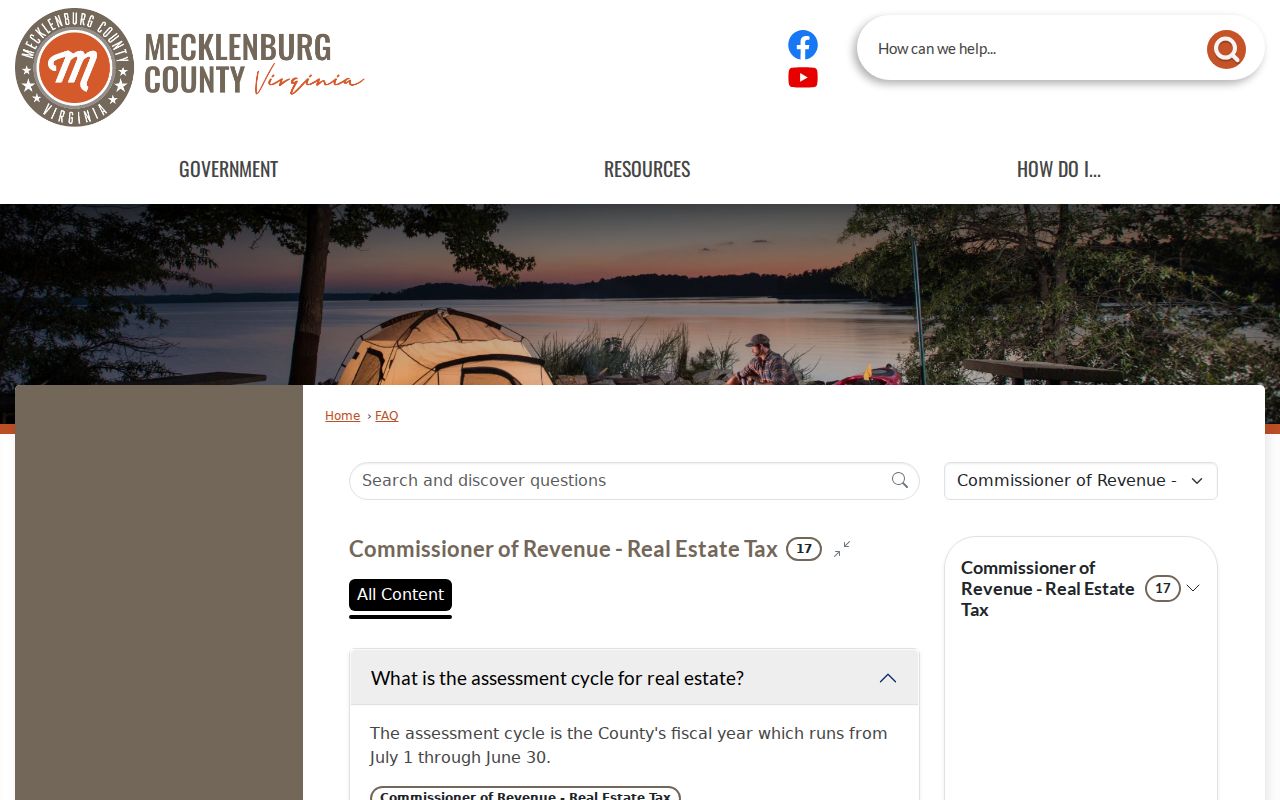
Use the FAQ to grasp the county's valuation basis, then set the particular parcel beside its current account.
July 1 Sets the Assessment Date
Mecklenburg values real estate as of July 1 and conducts a countywide general reassessment every two years. The local ordinance adopted March 14, 2005 set the biennial July 1 schedule beginning July 1, 2006. A building that is only partly complete on that date may receive a partial improvement value tied to its completion level.
For a value comparison, record the parcel number, assessment year, and date of any sale. A sale after the valuation date may reflect a later market than the county assessment. The two numbers can differ without either one being mislabeled.
Town Trends in the 2024 Reassessment
The county's 2024 reassessment handout compares percentage increases by district and town. That local lens matters. Mecklenburg County spans rural districts and six incorporated towns with distinct growth and land-use patterns. The handout itself carries the South Hill, Chase City, and Clarksville figures. South Hill's I-85 gateway growth, Chase City's older commercial core, and Clarksville's lakeside setting point to different questions when you compare a parcel. Treat those settings as context for reading the official town table. They are no substitute for the published assessment or an individual appraisal. Keep the 2024 Mecklenburg reassessment handout beside the current parcel account when you work through the numbers.
Land and Improvement Values
Mecklenburg County reports land value and improvement value separately. An improvement is a structure on the property. That label does not prove new construction. A house standing for decades still contributes to the current improvement amount. A partly finished building can be valued according to its percentage complete on July 1. The split helps you ask a sharper question about the assessment. A shift in land value may come from revaluation or parcel facts. A shift in improvement value may trace to the structure record or construction status. The numbers alone never reveal the reason. Ask the Commissioner when an account change needs explaining.
Recorded Consideration Is One Sale
A deed may state the consideration tied to one conveyance. Whether the CAMA account displays a last-sale price, and which SRA field exposes consideration, varies by screen, so pull the recorded instrument and read the amount in context. Related-party transfers, gifts, partial interests, and other transaction terms can make a recorded figure a poor stand-in for an ordinary market sale. Match the deed date against the July 1 assessment date and the assessment cycle. If the question is what the property might fetch today, turn to current market evidence or a licensed appraiser. Neither public number is a live offer value.
Look Up a Mecklenburg County Property Value
The Commissioner's Assessment and Ownership Data portal is the public route to a parcel's assessed value in Mecklenburg County. Field names vary by screen. Before quoting a number, verify the displayed category and fiscal year so the value carries its proper source.
- Search the parcel by address, owner, or account number in the county assessment portal.
- Record land, improvement, total, and year fields only if they appear on the live result.
- Compare the assessment date with any recorded sale date and deed consideration.
- Ask the Commissioner to explain a field or correction that is not clear in the public display.
- Assessed value
- The county’s tax valuation as of its assessment date.
- Market value
- A typical price under the county’s willing-buyer and willing-seller conditions.
- Sale consideration
- The amount tied to a recorded transfer, if stated in the instrument.
- Reassessment
- The county’s periodic review of real-property values.
Assessment Is Not the Tax Rate
An assessed value and a tax rate answer different questions. The assessor puts a value on the parcel. The Board of Supervisors sets the county rate. An incorporated town may add its own tax. A bill can climb because of a rate change, a higher value, or both. That is why the total on a tax bill is never a reliable stand-in. It does not show what a property is worth.
The county FAQ describes the math plainly. Take the assessed value, divide by 100, and multiply by the tax rate. Questions about a bill, relief, or an appeal go elsewhere. The Mecklenburg County property tax records page lays out the details.
Prepare a Mecklenburg Assessment Question
A value that looks off deserves a focused question, not a vague complaint. Start by finding which part of the record might be wrong. Check the parcel number, the acreage, the land and improvement entries, and the property characteristics. Confirm the July 1 valuation date too. Comparable sales help, but only when they sit on the same basis; a distant property or a wishful asking price tells you little about this parcel's market.
Roles matter here. The Commissioner determines the assessment. The Board of Equalization offers a review path when a dispute remains. Real-estate Board of Equalization material and disabled-veteran forms sit on the county forms page, though the county publishes no complete appeal calendar, so confirm any current filing deadline with the Commissioner before relying on an old form date or assuming a general inquiry preserves an appeal.
Keep the assessment question apart from the tax-rate question. A bill can shift because of the assessed amount, the Board of Supervisors' rate, a town tax, or payment status. For bills and due dates, the Mecklenburg tax-record guide is the right stop. The Commissioner explains the valuation entry itself.
When you contact the office, bring the account number and real evidence. A deed description, corrected acreage, dated building details, or solid comparable sales all work. Ask which review form and evidence the office wants for the current year. The county's appraisal model and the official account are what count; a third-party estimate does not move the assessment on its own.
Finally, separate an appeal from a bill correction. The Treasurer handles billed amounts and payment status, while the Commissioner explains parcel characteristics. If the fight is over the July 1 value, gather evidence tied to that date and follow the county's current Board of Equalization instructions.
Limits of a Mecklenburg Assessed Value
A Mecklenburg assessed value is the county's conclusion for tax purposes. The valuation date is July 1. It is not an appraisal for a sale, loan, or estate dispute. A later sale can land higher or lower. Dates, condition, financing, and terms all differ. Even the consideration amount on a recorded deed is not automatically the market value of the whole parcel.
Value vs price. The assessed value is not what a property will necessarily sell for. For a current transaction or lending decision, use a qualified appraisal and current market evidence.